Mahjong
Mahjong Clubs Are Taking Over the Neighborhood, and Ours Has a Group Text
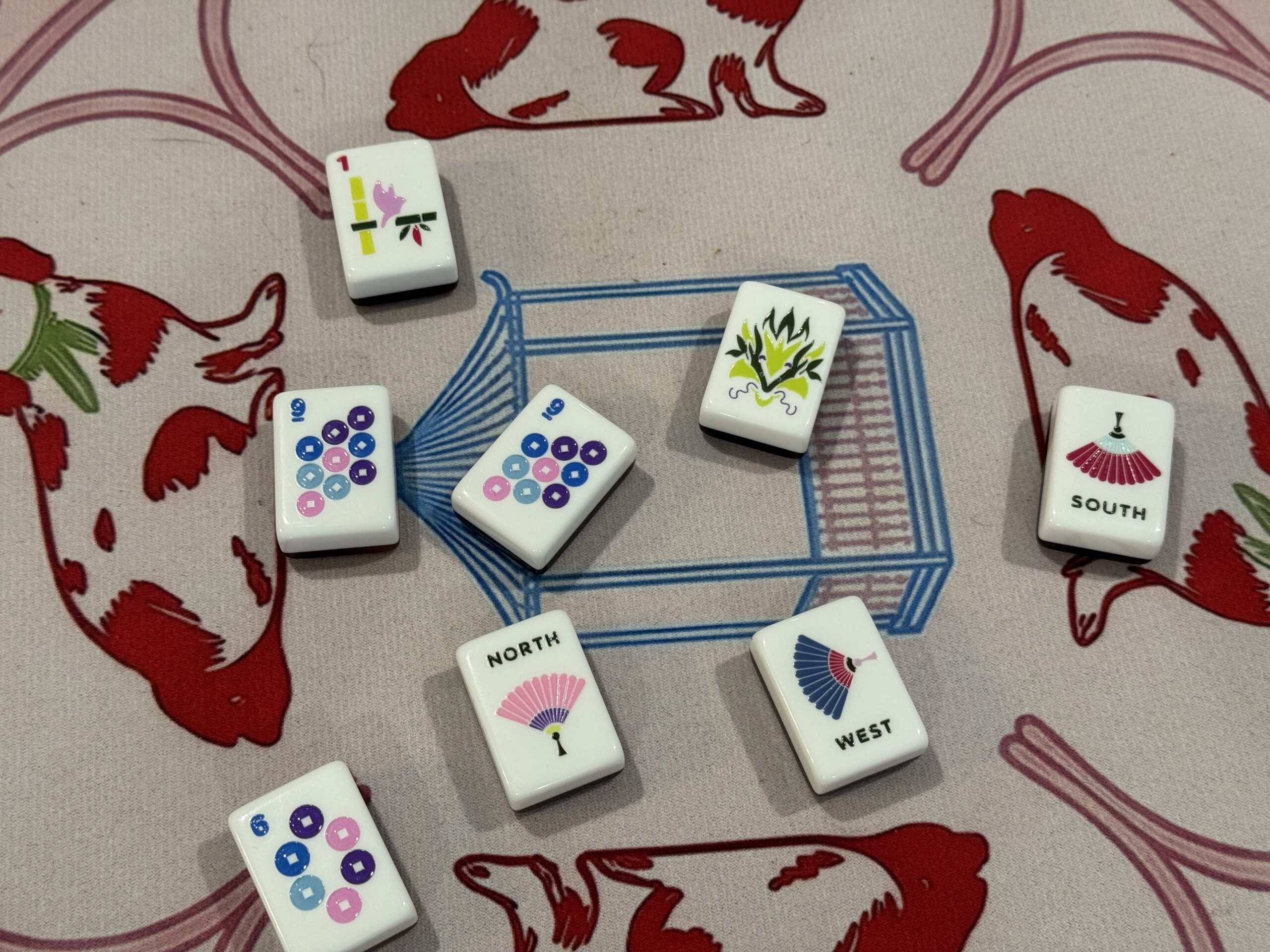
For a while it felt like every mom in our circle either already played mahjong or was trying to get a group together to learn, and it turns out that’s not just a neighborhood thing. Yelp named mahjong a top lifestyle trend for 2026, with searches for mahjong clubs up 4,467% year over year and searches for mahjong lessons up 819% over the same stretch. Eventbrite has recorded mahjong events up 179% between 2023 and 2024. None of that surprised us. We’d already watched it happen at our own kitchen table.
For anyone about to buy their first set before joining a group like this one, our full buying guide walks through what’s actually worth spending on.
How ours actually started.
The Mahjong Mommies began as an offshoot of a local moms’ group, the kind of casual “does anyone want to learn mahjong” conversation that turns into an actual standing weekly game before anyone quite decides to make it official. That’s a common origin story right now: a lot of the club growth showing up in national data traces back to small, informal groups like this rather than anyone setting out to build a “club” on purpose.
If you want to start one.
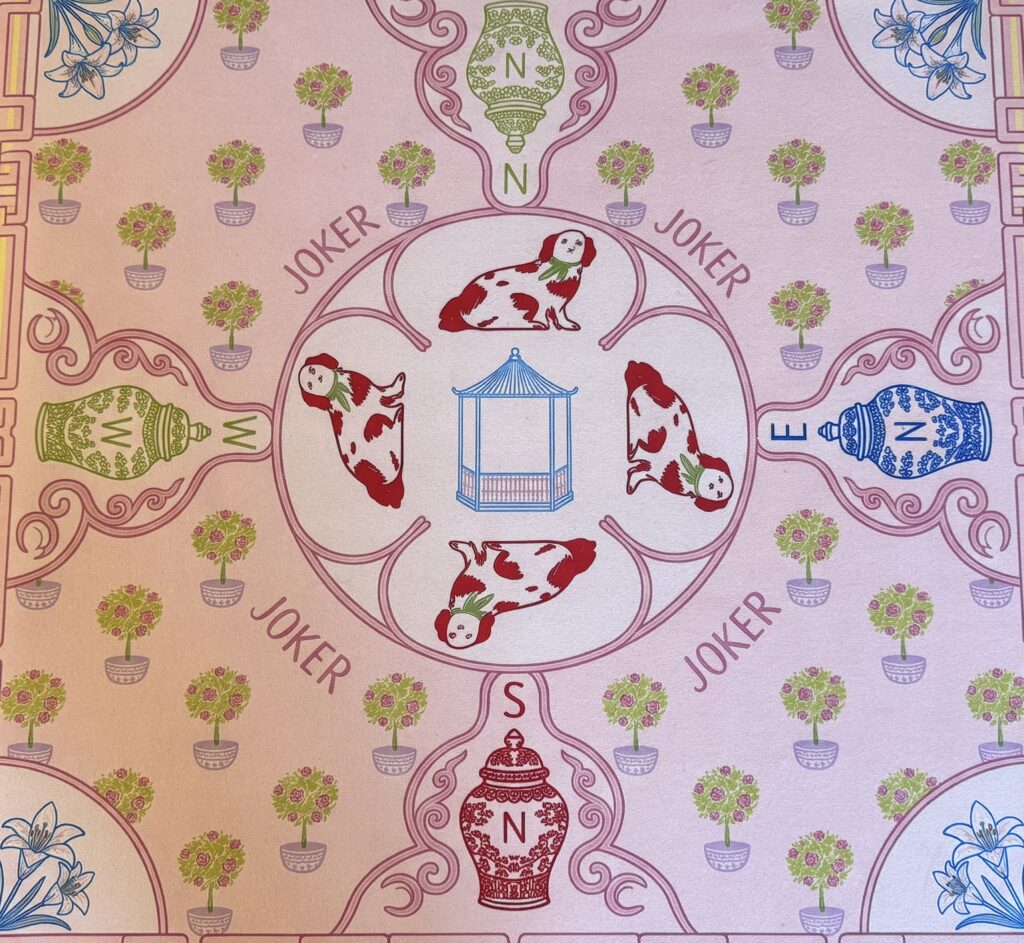
Starting a group looks a lot less complicated than people assume before they’ve done it. It takes a handful of interested people, a standing day and time everyone can actually commit to, and a decision up front about whether beginners are welcome or whether the group expects people to already know how to play. That last decision matters more than it seems like it would: groups that build beginner-friendliness in from day one, rather than treating it as a favor to a friend of a friend, tend to be the ones that keep growing instead of stalling out at whoever showed up to the first game. Budgeting for an actual instructor for the first session or two, rather than leaning on whoever in the group already knows the rules, is worth the small cost. It takes the burden of teaching off any one person and gives new players a real, structured start instead of a rushed explanation mid-hand.
If you want to join one instead.
Finding an existing group is usually easier than it sounds, too. Local Facebook groups and Meetup are the most common places groups actually organize and post openings, and community boards at libraries, gyms, rec centers, and local game or gift shops that host lessons are worth checking as well, several of the shops driving the current mahjong boom started by offering exactly that. It’s worth just asking directly whether a group is open to beginners rather than assuming, and it’s genuinely fine to show up without owning a set yet, most established groups have extras to lend or borrow for a first session or two. That said, plenty of new players end up wanting their own set fairly quickly once it’s clear they’ll keep going back, and a light, portable one is the right first buy for exactly that reason, easy to bring along if the game moves between houses the way ours does.
Portable Travel Mahjong Set — Check Price on Amazon →
What your first session actually looks like.
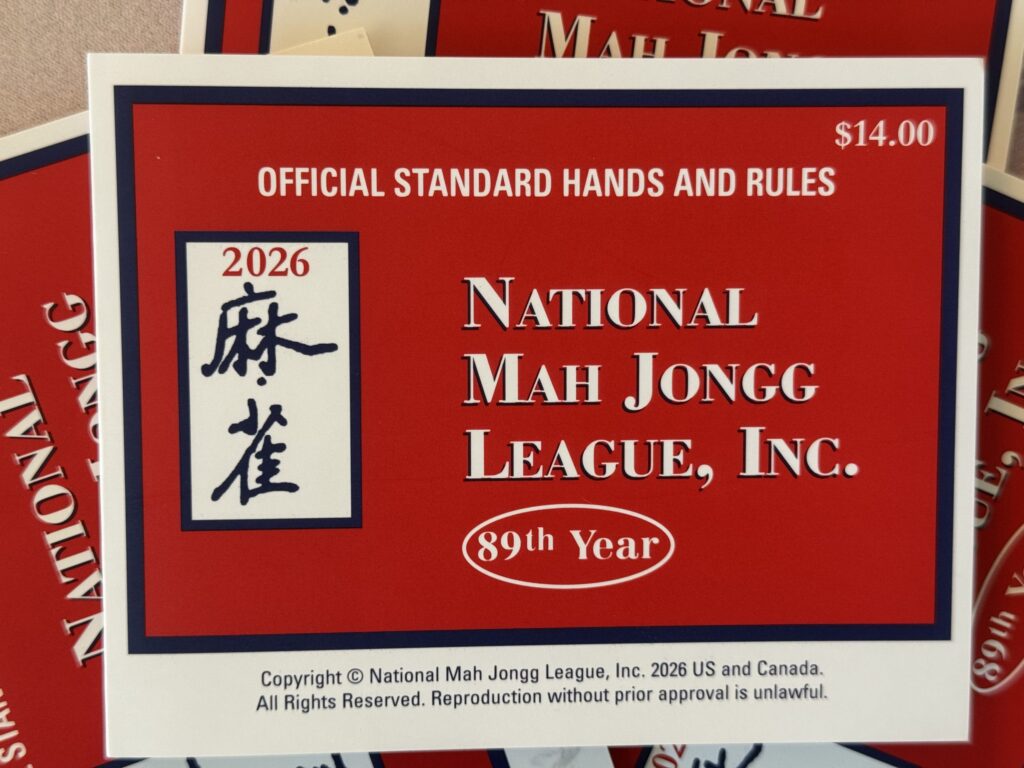
One thing that sets a group like this apart from a casual home game is treating new players as a real, recurring part of the club rather than an afterthought. A hired instructor typically walks beginners through the tile groups, the Charleston, and how to actually read a hand off the current NMJL card, then supervises a slow, real hand or two so the rules stop being abstract. It’s normal to feel a little lost the first time, there’s real vocabulary to pick up (Charleston, exposed versus concealed, the card itself) before any of it clicks, and a good instructor expects that and paces around it rather than rushing past it.
How fast you actually pick it up.
Nobody leaves a first lesson playing confidently, and that’s normal, not a sign it’s not for you. Most people leave understanding the mechanics of a turn without yet being able to read a hand quickly or defend against one, and it typically takes several sessions of actual repetition, not one long lesson, before it stops feeling like translating and starts feeling like playing. The Charleston and defensive play (reading what everyone else might need and not feeding it to them) tend to be the last things that click, well after the basic turn structure and the card itself start to feel familiar. Anyone expecting instant fluency is grading the game unfairly against itself.
Where they actually play.
Most weeks it’s at someone’s house, which keeps it feeling like a real hangout rather than an event. But the group has also started meeting occasionally at our gym, which has a space that works during the day when a home isn’t available or someone wants a change of scenery. That flexibility, home base most weeks with an outside space in reserve, mirrors something happening at a bigger scale nationally, where dedicated mahjong studios have started opening as a new kind of “third place” people build a weekly habit around, the same instinct at a different size.
More than the tiles.
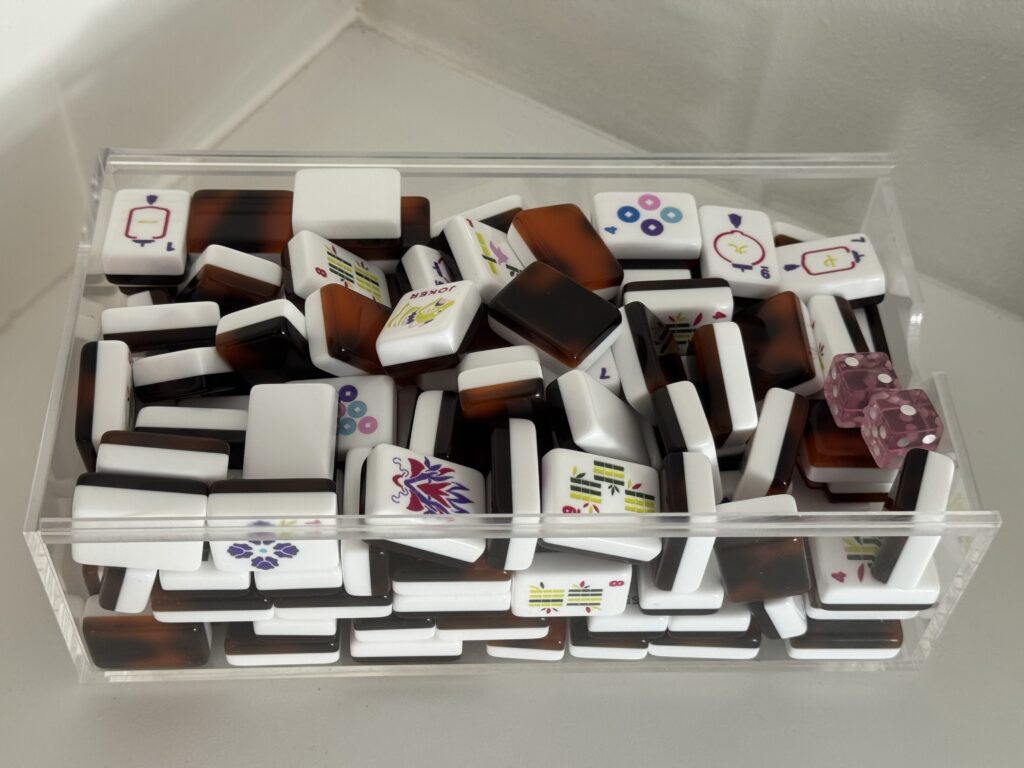
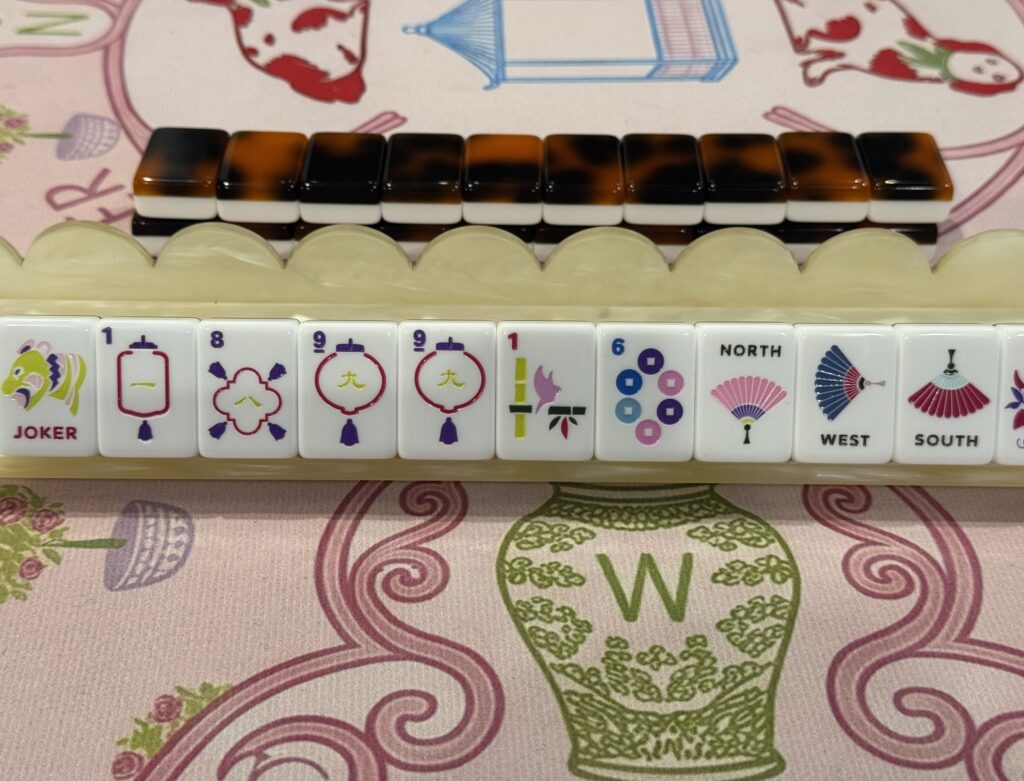
The part that’s stuck with us the most isn’t the game itself, it’s what’s grown around it. The group has its own running group text at this point, and several of the women in it have become genuinely good friends outside of mahjong entirely, not just people who show up to the same weekly game. The accessorizing has become its own small hobby inside the hobby, too, different bags for carrying a set to someone’s house, bag charms, acrylic tile boxes for the table, the kind of collecting that has nothing to do with actually playing the hand in front of you and everything to do with enjoying being part of the group. A few of the women have sets nice enough that they stay out on display between games, more décor than equipment. None of that is really about mahjong. That tracks with what’s actually driving the boom nationally: a real, stated hunger for regular in-person connection, not just interest in a tile game.
Mahjong Bag Charm Set — Check Price on Amazon →
Acrylic Mahjong Tile Box — Check Price on Amazon →
Practice happens between sessions, too.
Not everyone can make it to the table every week, and the group leans on mahjong apps to keep playing when schedules don’t line up, practicing solo or matching up with each other online between in-person sessions. It keeps skills sharp for newer players without requiring a body in a chair every single week, which matters more than it sounds like it would for a group made up mostly of busy moms.
Enjoy the journey, not just the win.
The groups that actually last are the ones that stay patient with each other.
The groups that actually last are the ones that stay patient with each other.
Someone missing a discard, forgetting a hand, or needing the Charleston explained again isn’t a drag on the game, it’s most of what a beginner-friendly club is actually for, and there’s a real, particular satisfaction in going from the person being taught to the person who’s good enough to teach someone new. Strip away the specifics of any one group and the formula underneath is simple: make it accessible so a beginner doesn’t feel behind, keep a set around that’s easy enough to travel with when the game moves to someone else’s house or a different space, stay flexible about who shows up and where you meet instead of treating attendance like an obligation, and don’t lose sight of the fact that the point is to have fun, not to run a tight ship. One real, if minor, scheduling note if you’re picking a day, Wednesday is by far the most common day American mahjong groups actually meet, so if you’re trying to find an existing group to join, that’s the day worth checking first.
For anyone about to buy their first set before joining a group like this one, our full buying guide walks through what’s actually worth spending on.